
How to Start Keto Without Feeling Hungry
Introduction
One of the biggest concerns people have before starting a ketogenic diet is hunger. Many believe that cutting carbohydrates will leave them constantly craving food and struggling to stay satisfied throughout the day.
The good news is that a properly planned keto diet can actually help reduce hunger and make it easier to control cravings. By focusing on healthy fats, quality protein, and nutrient-rich foods, you can transition into ketosis while staying full and energized.
In this guide, you’ll learn practical strategies to start keto without feeling hungry and improve your chances of long-term success.
Why People Feel Hungry When Starting Keto
When switching from a high-carbohydrate diet to keto, your body goes through an adjustment period.
Many people are used to getting energy from:
- Bread
- Rice
- Pasta
- Sugary snacks
- Sweetened beverages
When these foods are reduced, your body needs time to adapt to using fat as its primary fuel source.
Common reasons for hunger during the first few weeks include:
- Not eating enough healthy fats
- Consuming too little protein
- Poor meal planning
- Dehydration
- Electrolyte imbalance
- Skipping meals unnecessarily
Fortunately, these issues can usually be managed with a few simple adjustments.
1. Increase Healthy Fat Intake
Fat is the foundation of a ketogenic diet.
Unlike carbohydrates, healthy fats digest more slowly and help keep you feeling satisfied for longer periods.
Good keto-friendly fat sources include:
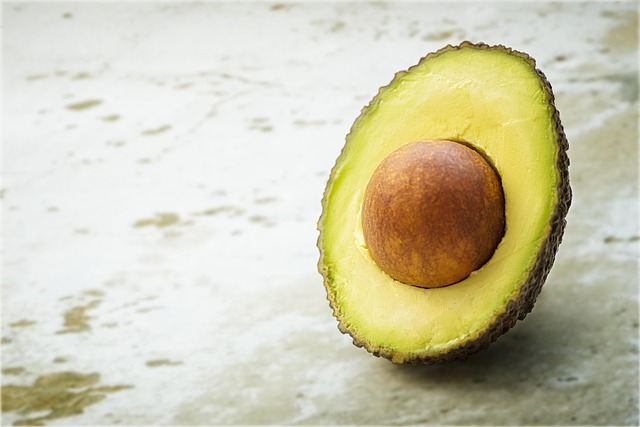
- Avocados
- Olive oil
- Coconut oil
- Butter
- Cheese
- Nuts and seeds
- Fatty fish
Adding healthy fats to every meal can significantly reduce hunger.
Example
Instead of eating plain eggs, pair them with avocado and cheese for a more filling breakfast.
2. Don’t Fear Protein
Protein plays an important role in controlling appetite.
Foods rich in protein help support muscle maintenance and increase feelings of fullness.
Excellent keto protein sources include:
- Eggs
- Chicken
- Turkey
- Beef
- Fish
- Shrimp
- Greek yogurt
Including protein at every meal can help prevent unnecessary snacking.
3. Eat Enough Calories
A common beginner mistake is trying to cut carbohydrates and calories at the same time.
This often leads to:
- Hunger
- Fatigue
- Irritability
- Poor diet adherence
During the first few weeks of keto, focus on adapting to the diet rather than aggressively restricting calories.
Once your body becomes comfortable using fat for fuel, appetite often decreases naturally.
4. Stay Hydrated
Many people mistake thirst for hunger.
When starting keto, the body tends to lose water more rapidly due to reduced carbohydrate intake.
To stay hydrated:
- Drink water consistently throughout the day
- Carry a water bottle
- Increase fluid intake during exercise
Proper hydration may help reduce unnecessary hunger signals.
5. Maintain Electrolyte Balance
As carbohydrate intake decreases, your body may lose electrolytes more quickly.
Important electrolytes include:
- Sodium
- Potassium
- Magnesium
Low electrolyte levels can contribute to:
- Fatigue
- Headaches
- Cravings
- Weakness
Including mineral-rich foods and maintaining proper hydration can help support a smoother transition into keto.
6. Focus on High-Fiber Low-Carb Vegetables
Fiber helps increase fullness while supporting digestive health.
Excellent keto-friendly vegetables include:
- Spinach
- Broccoli
- Cauliflower
- Zucchini
- Lettuce
- Cucumber
Adding vegetables to meals increases volume without adding significant carbohydrates.
Example
A large chicken salad with leafy greens may feel much more satisfying than protein alone.
7. Avoid Hidden Sugars
Many packaged foods contain added sugars that may increase cravings and hunger.
Check labels carefully for ingredients such as:
- Corn syrup
- Cane sugar
- Maltodextrin
- Dextrose
Whole foods generally make it easier to control appetite than highly processed products.
8. Eat When You’re Hungry
Some beginners attempt intermittent fasting immediately after starting keto.
While fasting works well for some people, combining multiple dietary changes at once can feel overwhelming.
Instead:
- Listen to your body’s hunger signals
- Eat balanced keto meals
- Allow time for adaptation
Many people naturally eat less after becoming fat-adapted.
9. Plan Meals Ahead of Time
Lack of preparation often leads to poor food choices.
Meal planning can help you:
- Avoid high-carb snacks
- Stay consistent
- Reduce hunger-related decisions
Simple preparation strategies include:
- Cooking protein in advance
- Washing vegetables ahead of time
- Keeping keto snacks available
Preparation makes healthy eating more convenient.
10. Choose Smart Keto Snacks
Healthy snacks can help prevent excessive hunger between meals.
Good keto snack options include:
- Hard-boiled eggs
- Cheese cubes
- Almonds
- Walnuts
- Olives
- Celery with cream cheese
These foods provide a combination of fat and protein that supports satiety.
Sample Keto Day Without Hunger
Breakfast
Scrambled eggs cooked in butter with avocado slices.
Lunch
Grilled chicken salad with olive oil dressing and cheese.
Snack
A handful of almonds.
Dinner
Salmon with broccoli and cauliflower cooked in butter.
This combination provides healthy fats, protein, and fiber to help maintain fullness throughout the day.
Common Mistakes That Increase Hunger on Keto
Eating Too Little Fat
Fat provides the majority of energy on keto.
Avoiding Vegetables
Low-carb vegetables help increase meal volume and satisfaction.
Skipping Meals Too Early
Allow your body time to adapt before adding fasting protocols.
Relying on Processed Keto Products
Whole foods are generally more filling than packaged alternatives.
Not Drinking Enough Water
Dehydration can sometimes be mistaken for hunger.
Frequently Asked Questions
Does keto reduce appetite?
Many people report reduced hunger after their bodies adapt to ketosis.
How long does keto hunger last?
For most beginners, increased hunger is temporary and improves during the first few weeks.
Can I snack on keto?
Yes. Keto-friendly snacks can help manage hunger while staying within carbohydrate limits.
Should I count calories on keto?
Many people focus on food quality and carbohydrate intake first, then adjust calories if needed.
What foods keep you full the longest?
Foods rich in healthy fats, protein, and fiber tend to provide the greatest satiety.
Conclusion
Starting a ketogenic diet does not have to mean feeling hungry all the time. By prioritizing healthy fats, quality protein, low-carb vegetables, proper hydration, and meal planning, you can make the transition much more comfortable.
The key is to give your body time to adapt while focusing on nutritious, satisfying foods. With the right approach, keto can become a sustainable lifestyle that supports both your health and weight-loss goals without constant hunger.